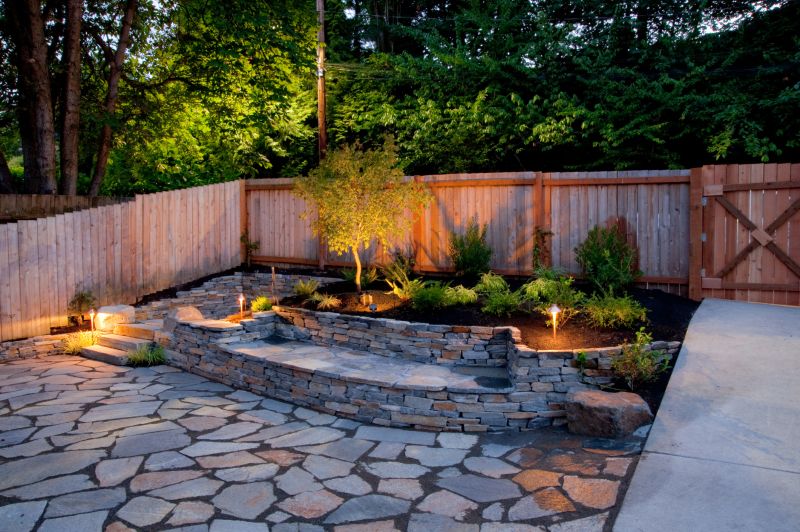
Stone Edging Installation in Fairfield County, CT
Stone edging installation is a popular landscaping service that involves placing natural or manufactured stone along garden beds, walkways, driveways, or property boundaries. This process helps define landscape features, prevent soil erosion, and create a polished appearance for outdoor spaces. Property owners often request stone edging for projects such as outlining flower beds, creating borders around lawns, or enhancing the visual appeal of patios and pathways. Before requesting installation, homeowners should consider the style and type of stone they prefer, the layout of the area, and any existing landscaping elements that might influence the design.
Understanding the different types of stone available, such as flagstone, granite, or limestone, can help in choosing the best material for durability and aesthetic appeal. It’s also useful to consider the height and thickness of the edging, as well as the local climate conditions that might affect the longevity of the stone. Proper installation requires precise placement and secure anchoring to ensure the edging remains stable over time. Clarifying project scope, desired appearance, and budget can help property owners work effectively with professionals to achieve a lasting and attractive landscape feature.
Many property owners in Fairfield County, CT look into Stone Edging Installation for repairs, replacements, upgrades, and appearance-related improvements.
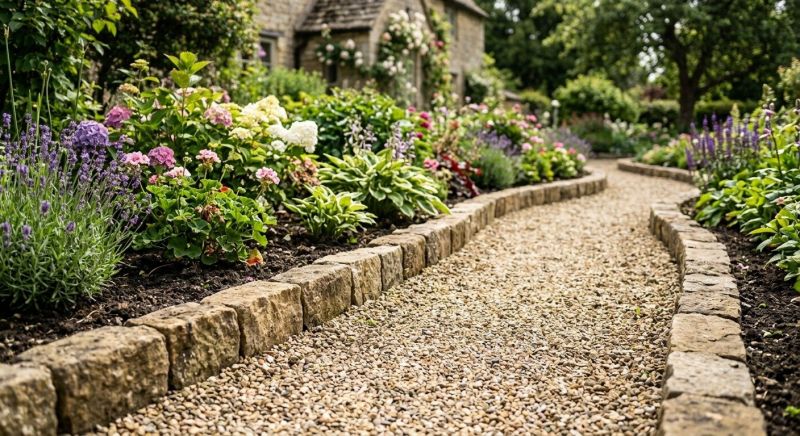
Enhancing Landscape Borders
Stone edging provides a durable and attractive border for flower beds and lawns.
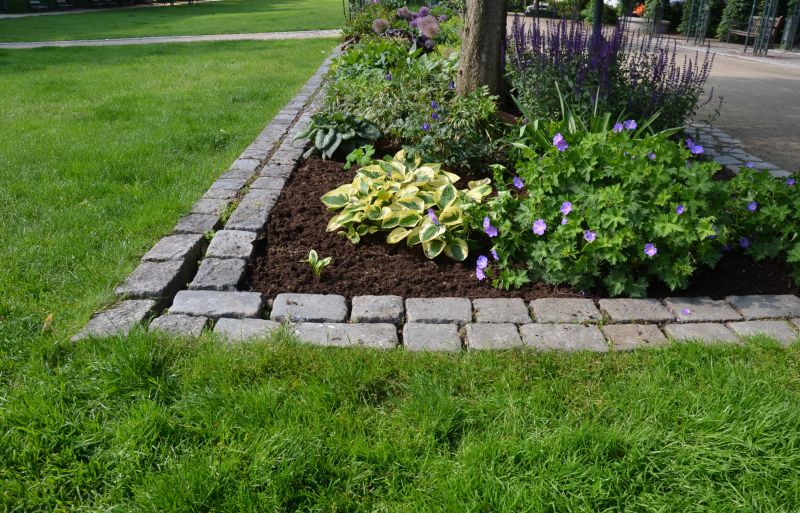
Defining Outdoor Spaces
Proper stone installation helps create clear boundaries around patios, walkways, and garden areas.
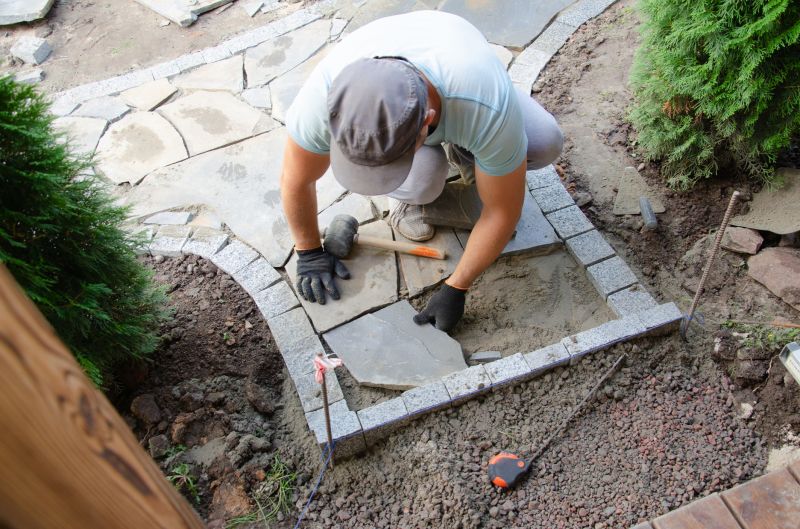
Increasing Property Value
Well-crafted stone edges add curb appeal and can improve the overall appearance of fairfield county properties.
Stone Edging Installation in Fairfield County, CT
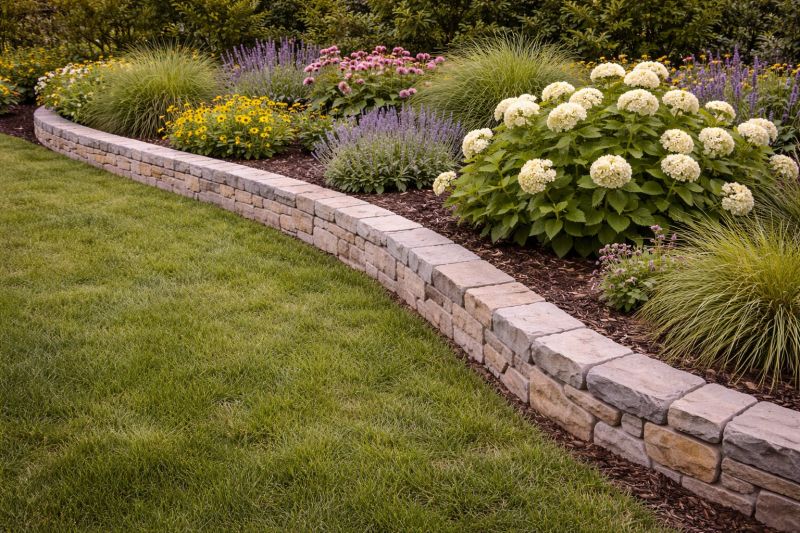
Stone edging installation is a popular landscaping service that involves placing natural or manufactured stone along garden beds, walkways, driveways, or property boundaries. This process helps define landscape features, prevent soil erosion, and create a polished appearance for outdoor spaces. Property owners often request stone edging for projects such as outlining flower beds, creating borders around lawns, or enhancing the visual appeal of patios and pathways. Before requesting installation, homeowners should consider the style and type of stone they prefer, the layout of the area, and any existing landscaping elements that might influence the design.
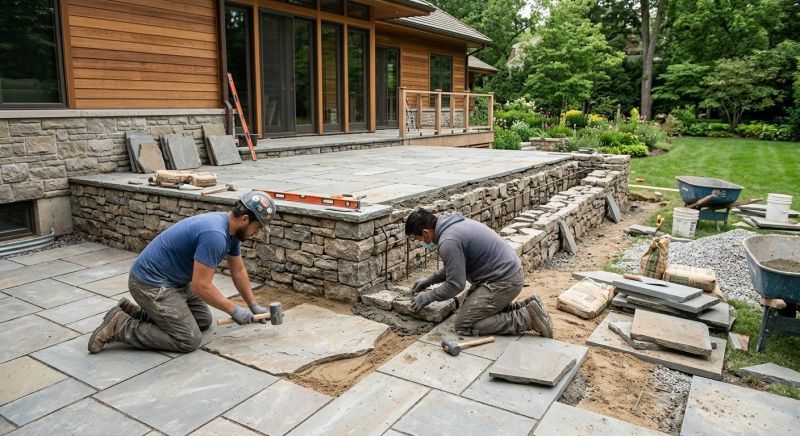
Understanding the different types of stone available, such as flagstone, granite, or limestone, can help in choosing the best material for durability and aesthetic appeal. It’s also useful to consider the height and thickness of the edging, as well as the local climate conditions that might affect the longevity of the stone. Proper installation requires precise placement and secure anchoring to ensure the edging remains stable over time. Clarifying project scope, desired appearance, and budget can help property owners work effectively with professionals to achieve a lasting and attractive landscape feature.
Many property owners in Fairfield County, CT look into Stone Edging Installation for repairs, replacements, upgrades, and appearance-related improvements.
Common Stone Edging Installation Jobs
Stone Edging Installation - Defines garden beds and separates lawn areas with durable stone borders.
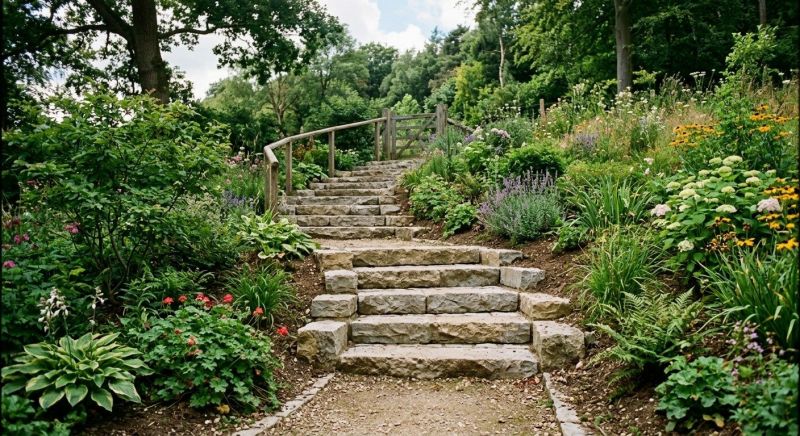
Retaining Wall Edging - Provides structural support and prevents soil erosion along slopes.
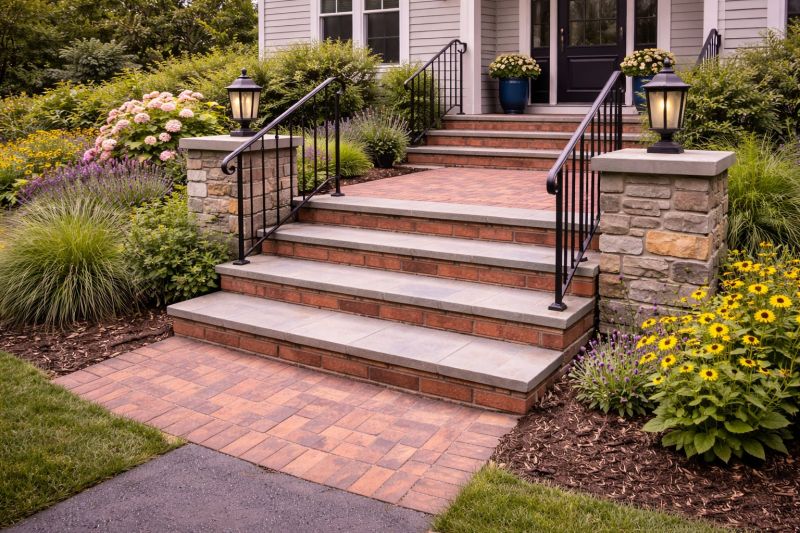
Pathway Edging - Creates clear, attractive borders for walkways and paved paths.
Driveway Edging - Enhances curb appeal and keeps gravel or soil contained.
Landscape Bordering - Adds a polished look to flower beds and shrub areas.
Custom Stone Edging - Offers tailored solutions to complement existing landscape designs.
Stone Edging Installation Questions
What types of projects benefit from stone edging? Stone edging is ideal for defining garden beds, creating borders along pathways, and preventing soil erosion in landscaped areas.
What materials are commonly used for stone edging? Common materials include natural stone, such as flagstone and fieldstone, as well as manufactured options like concrete or brick.
How does stone edging improve property appearance? It provides a clean, finished look to landscape features and helps highlight garden areas or lawn boundaries.
Is stone edging suitable for all soil types? Yes, stone edging can be installed in various soil conditions, offering stability and durability to different landscape setups.
Request Stone Edging Installation in Fairfield County, CT
Use the quote form on this page to share the basics of your project and request more information for the type of work you need.