Get Chimney Cap Installation
Chimney cap installation services help protect chimneys from water damage, animal intrusion, and debris buildup by connecting property owners with local contractors experienced in safe, effective cap fitting.
Proper chimney cap installation is an important step in maintaining the safety and efficiency of a property’s fireplace or stove. Installing a chimney cap helps prevent debris, animals, and moisture from entering the chimney, which can reduce the risk of blockages, water damage, and unwanted pests. Property owners in the area who are planning home improvement projects or seeking to protect their investments often explore chimney cap services as a practical upgrade to enhance their property's overall condition.
For those considering this work, it’s helpful to compare local contractors who specialize in chimney cap installation. Different service providers offer a variety of experience and approaches, making it valuable to review options and find professionals who can meet specific needs. Continuing to explore available local services can assist property owners in making informed decisions about their chimney maintenance and safety upgrades.
- Chimney Cap Installation - needed when a chimney cap is damaged or missing to prevent debris and animals from entering.
- Chimney Cap Replacement - required if an existing cap is rusted, cracked, or no longer effective.
- Chimney Cap Repair - necessary when a cap has loose fittings or minor damage that compromises its function.
- Custom Chimney Cap Fitting - suitable when a standard cap does not fit uniquely shaped or specialized chimneys.
- Storm Damage Chimney Cap Service - needed after severe weather to restore protection and prevent further damage.
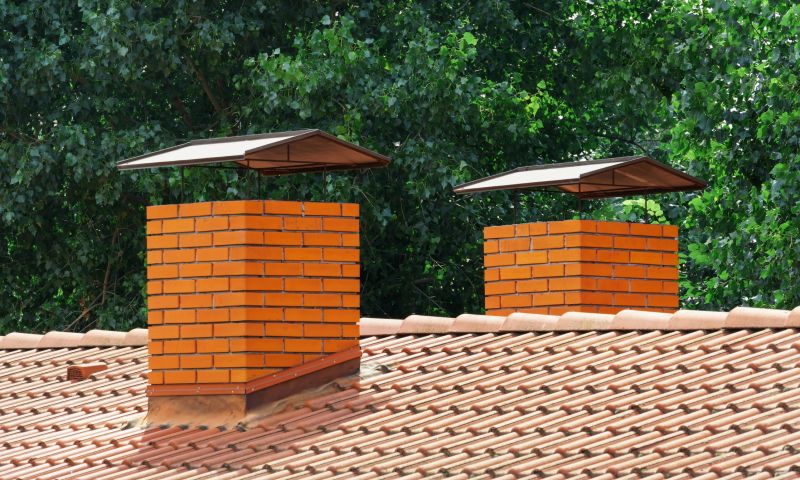
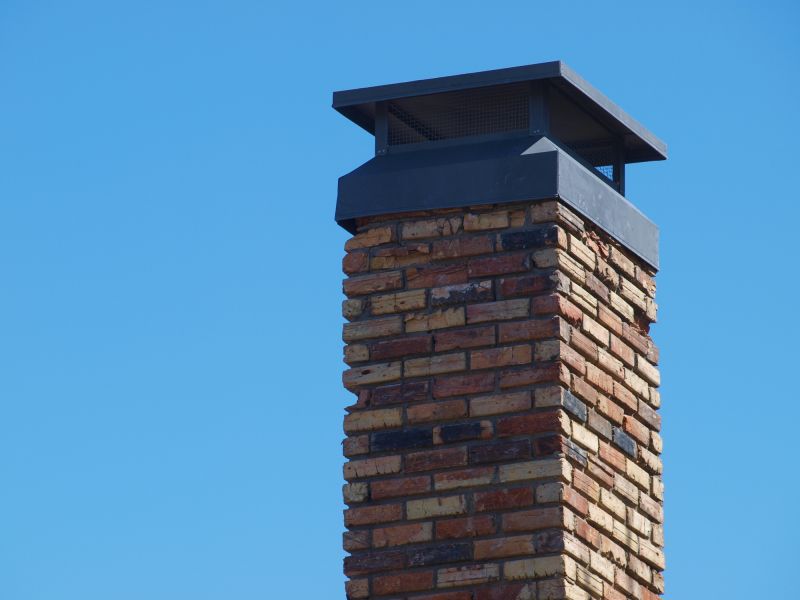
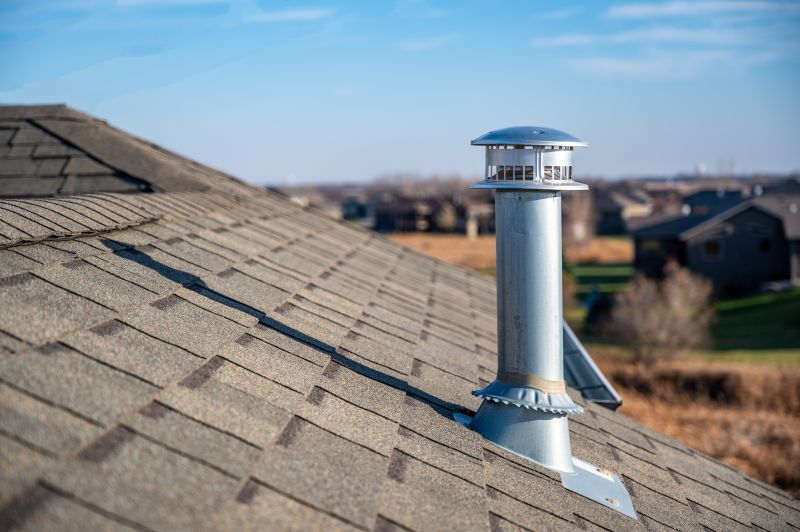
Chimney cap installation services involve fitting a protective cover onto the top of a chimney. This cap serves as a barrier that prevents debris, leaves, and animals from entering the chimney flue. Proper installation ensures that the chimney functions efficiently and reduces the risk of blockages that can lead to smoke backup or fire hazards. Skilled contractors assess the size and shape of the chimney to select and install a cap that provides a secure fit, helping to maintain the safety and performance of the fireplace or stove.
One of the primary issues a chimney cap helps address is water intrusion. Without a cap, rainwater can seep into the chimney, causing damage to the masonry and promoting the development of rust and corrosion inside the flue. Additionally, a cap prevents animals such as birds, squirrels, or raccoons from nesting inside the chimney, which can create blockages and pose fire risks. Installing a chimney cap is a practical step for homeowners who want to protect their property from water damage and pest-related problems, ensuring the longevity of the chimney system.
Chimney cap installation services are commonly sought for residential properties, including single-family homes, townhouses, and cabins. These properties often rely on fireplaces, wood stoves, or pellet stoves for heating, making proper chimney protection essential. Commercial properties with large fireplaces or heating systems may also benefit from professionally installed caps to safeguard their ventilation systems. Whether the chimney is used regularly or seasonally, a properly fitted cap helps maintain safe and efficient operation across various property types.
Homeowners should consider chimney cap installation if they notice signs of damage, such as rust or cracks on the existing cap, or if their chimney has become clogged with debris or animal nests. Installing a cap can also be a preventative measure to avoid costly repairs caused by water damage or pest invasions. When seeking this service, it’s best to contact local contractors who specialize in chimney and fireplace maintenance. These professionals can recommend the right type of cap for the property and ensure a secure, effective installation.
The overview below groups typical Chimney Cap Installation projects into broad ranges so you can see how smaller, mid-sized, and larger jobs often compare in your area.
In many markets, a large share of routine jobs stays in the lower and middle ranges, while only a smaller percentage of projects moves into the highest bands when the work is more complex or site conditions are harder than average.
Smaller Repairs - Typical costs for minor chimney cap repairs or replacements usually range from $250 to $600. Many routine jobs fall within this middle range, depending on the size and material of the cap.
Standard Installation - Installing a new chimney cap generally costs between $300 and $800. Local contractors often perform these projects within this range, with variations based on chimney height and accessibility.
Full Cap Replacement - Replacing an entire chimney cap setup can range from $600 to $1,500 for most homes. Larger or more complex projects tend to push costs toward the higher end of this spectrum.
Larger or Custom Projects - Custom or high-end chimney cap installations, especially on larger or multi-flue chimneys, can exceed $2,000. These projects are less common but are necessary for specific architectural or safety requirements.
Actual totals will depend on details like access to the work area, the scope of the project, and the materials selected, so use these as general starting points rather than exact figures.
Chimney Repair - Professionals skilled in chimney repair often have experience with installing chimney caps to prevent damage and improve functionality.
Flue Cover Installation - Installing flue covers involves similar planning and tools as chimney cap installation to ensure proper ventilation and protection.
Chimney Waterproofing - Waterproofing services require knowledge of chimney structures and sealing techniques comparable to cap installation processes.
Venting System Installation - Installing venting systems involves planning and tools similar to those used for chimney cap placement to ensure safety and efficiency.
Chimney Crown Repair - Repair work on chimney crowns shares skills related to masonry and sealing that are also relevant for cap installation projects.
Masonry Chimney Restoration - Masonry restoration involves structural assessment and sealing techniques akin to those used in installing chimney caps.
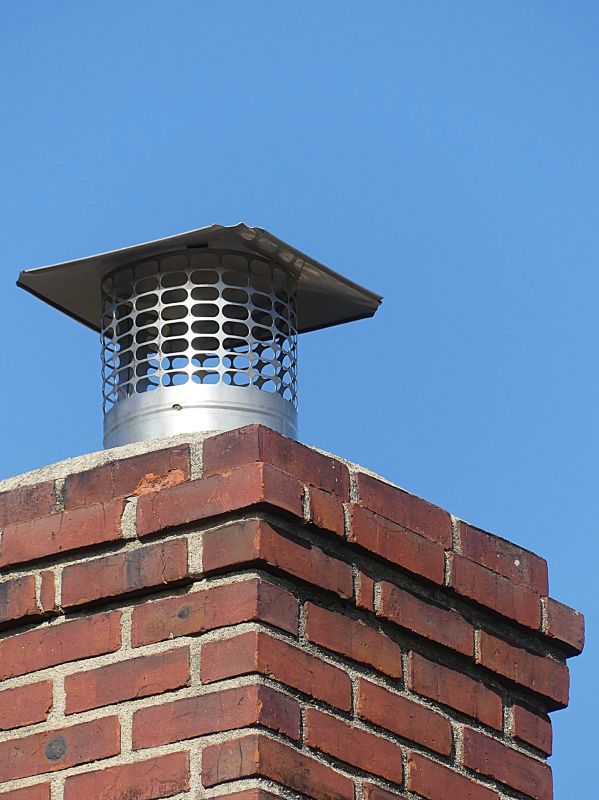
When evaluating potential contractors for chimney cap installation, it’s important to consider their experience with similar projects. Homeowners should inquire about how many chimney caps they have installed and whether they have worked on properties comparable to their own. An experienced service provider will be familiar with the specific requirements and challenges of different chimney types and structures, which can contribute to a smoother installation process and a more reliable result.
Clear written expectations are essential for ensuring both parties are aligned on the scope of work. Homeowners should seek service providers who can provide detailed descriptions of the services offered, including the materials used, the installation process, and any warranties or guarantees. Having this information in writing helps prevent misunderstandings and provides a reference point should questions or concerns arise during or after the project.
Reputable references and effective communication are key indicators of a trustworthy contractor. Homeowners are encouraged to ask for references from previous clients who had similar work done and to verify the quality of those projects. Additionally, a service provider’s responsiveness and clarity in communication can reflect their professionalism and commitment to customer service. Strong communication helps ensure that expectations are understood and that any questions are addressed promptly, leading to a more positive overall experience.
Property owners use Chimney Cap Installation services for practical projects around their homes and businesses. This guide focuses on everyday jobs and straightforward project options.
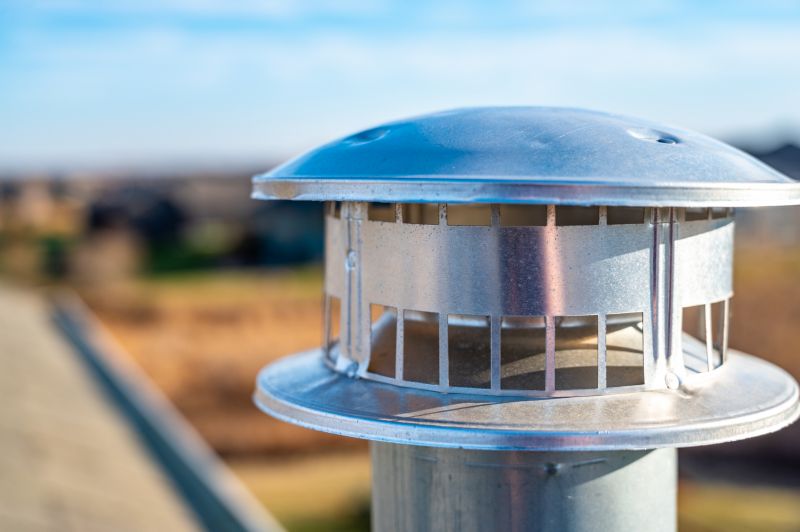
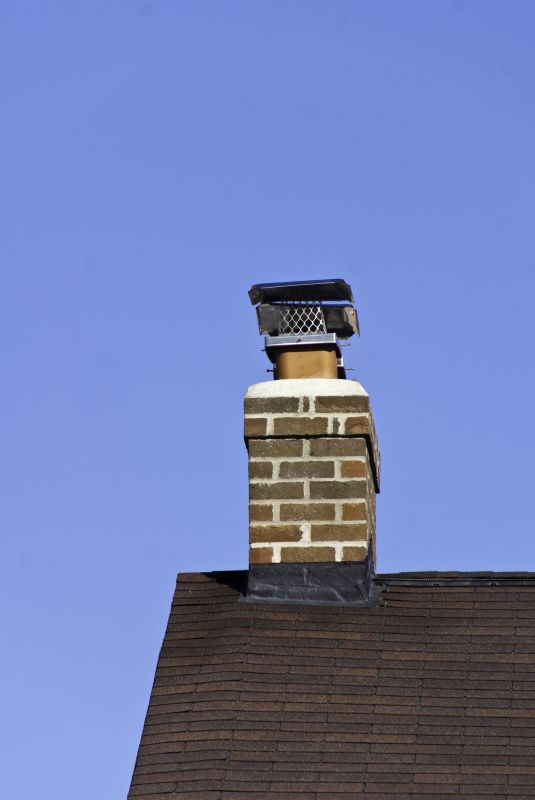
Chimney cap installation is a common project for property owners who want to protect their homes from outdoor debris, animals, and weather-related damage. Over time, a damaged or missing chimney cap can lead to issues such as water leaks, pest invasions, and buildup of creosote or soot inside the chimney. Local contractors who specialize in chimney and roofing services can provide the necessary expertise to install or replace caps, helping to maintain the integrity and safety of the chimney system.
Many property owners seek chimney cap services after noticing signs of wear or damage, such as rust, cracks, or loose fittings. Others may want to prevent potential problems before they occur, especially in areas prone to heavy rain or strong winds. Service providers in the area can assess the condition of existing caps and recommend suitable solutions to ensure the chimney remains protected and functional for years to come.
What is a chimney cap and why is it important? A chimney cap is a protective cover installed on top of a chimney to prevent debris, animals, and water from entering the flue. It helps protect the chimney structure and can improve safety by reducing the risk of fire hazards.
What are the benefits of installing a chimney cap? Installing a chimney cap can help prevent water damage, keep out animals and debris, and reduce downdrafts. It can also enhance the overall safety and efficiency of the chimney system.
How do local contractors install chimney caps? Professional contractors typically assess the chimney, select the appropriate cap size and style, and securely install it on top of the chimney using specialized tools to ensure proper fit and protection.
Can a chimney cap be installed on any type of chimney? Most chimney caps are compatible with various chimney types, but it’s best to have a professional evaluate the specific chimney to recommend the right cap and installation method.
What should be considered when choosing a chimney cap? Factors include the material, size, style, and compatibility with the chimney, as well as the local weather conditions and the specific needs of the property.
Prevent Debris Blockages - Installing a chimney cap helps keep leaves, twigs, and other debris out of the chimney, reducing fire risks and improving airflow.
Protect Against Animal Intrusions - A chimney cap prevents birds, squirrels, and other animals from entering and nesting inside the chimney.
Reduce Downdrafts and Odors - Properly installed caps can minimize downdrafts and prevent unpleasant odors from entering the home through the chimney.
Enhance Chimney Durability - Local contractors can install durable chimney caps that shield the chimney structure from weather-related damage and corrosion.
If you are thinking about Chimney Cap Installation for a property, this guide is meant to help you understand the work, the typical project types, and how different options might fit your plans.
When you are ready, you can use the quote form on this page to share a few details about your project. From there, local pros can review the basics and respond with options that match what you have in mind.